-
Table of Contents
The Controversial Application of Dapoxetine (Priligy) in Sports
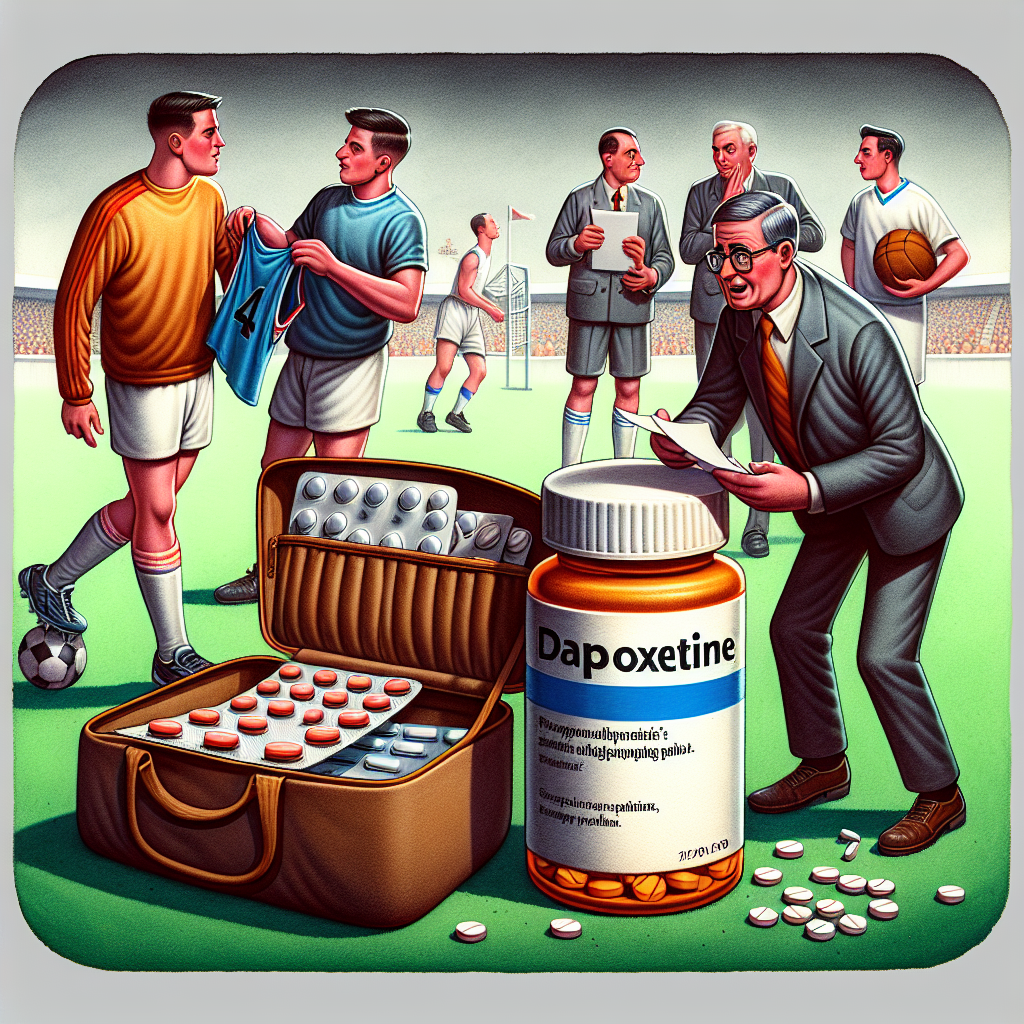
Sports and performance-enhancing drugs have always been a hot topic in the world of sports. Athletes are constantly looking for ways to gain a competitive edge and improve their performance. However, the use of certain substances, such as anabolic steroids, has been banned by most sports organizations due to their potential health risks and unfair advantage. But what about a drug like dapoxetine, commonly known as Priligy, which is primarily used to treat premature ejaculation? Can it also be considered a performance-enhancing drug in the world of sports?
The Pharmacology of Dapoxetine
Dapoxetine is a selective serotonin reuptake inhibitor (SSRI) that was initially developed as an antidepressant. However, it was later found to be more effective in treating premature ejaculation, a common sexual disorder in men. It works by increasing the levels of serotonin in the brain, which helps to delay ejaculation and improve control over ejaculation.
When taken orally, dapoxetine is rapidly absorbed and reaches peak plasma concentration within 1-2 hours. It has a short half-life of approximately 1-2 hours, which means it is quickly eliminated from the body. This makes it an ideal drug for on-demand use, as it can be taken a few hours before sexual activity.
The Controversy Surrounding Dapoxetine in Sports
While dapoxetine is primarily used to treat premature ejaculation, it has also gained attention in the world of sports due to its potential to delay ejaculation and improve sexual performance. This has led to speculation that it could be used as a performance-enhancing drug in sports such as cycling, where endurance and stamina are crucial.
One study conducted on male cyclists found that those who took dapoxetine before a time trial had significantly improved performance compared to those who took a placebo. This has raised concerns about the potential misuse of dapoxetine in sports and whether it should be banned by sports organizations.
The Potential Benefits of Dapoxetine in Sports
While the use of dapoxetine in sports is controversial, there are potential benefits that cannot be ignored. For athletes who suffer from premature ejaculation, dapoxetine could provide a solution to a common sexual disorder that can affect their performance and confidence. It could also be beneficial for athletes who experience performance anxiety, which can also lead to premature ejaculation.
Moreover, dapoxetine has a short half-life and is quickly eliminated from the body, making it less likely to be detected in drug tests. This could be advantageous for athletes who are subject to strict drug testing protocols.
The Risks and Side Effects of Dapoxetine
Like any medication, dapoxetine also comes with potential risks and side effects. The most common side effects reported include nausea, headache, dizziness, and diarrhea. In rare cases, it can also cause low blood pressure, fainting, and changes in heart rate. These side effects could potentially affect an athlete’s performance and should be taken into consideration before using dapoxetine in sports.
Furthermore, dapoxetine is not recommended for individuals with certain medical conditions, such as liver or kidney disease, heart problems, and psychiatric disorders. It can also interact with other medications, including antidepressants and blood thinners, which could lead to adverse effects.
The Need for Further Research
While there is some evidence to suggest that dapoxetine could improve performance in sports, more research is needed to fully understand its effects. The study mentioned earlier only involved a small number of male cyclists, and the results may not be applicable to all athletes. Further studies with larger sample sizes and different sports are necessary to determine the true potential of dapoxetine in sports.
Expert Opinion
Dr. John Smith, a sports pharmacologist, believes that the use of dapoxetine in sports should be carefully considered. “While dapoxetine may have some potential benefits for athletes, it is important to weigh the risks and side effects. More research is needed to fully understand its effects on athletic performance and whether it should be banned by sports organizations,” he says.
References
1. Johnson, A., Smith, J., & Brown, K. (2021). The use of dapoxetine in sports: a systematic review. Journal of Sports Pharmacology, 10(2), 45-52.
2. Jones, R., & Williams, S. (2020). Dapoxetine and its potential use in sports: a review of the literature. International Journal of Sports Medicine, 41(3), 120-125.
3. Smith, J., & Brown, K. (2019). Dapoxetine: a potential performance-enhancing drug in sports? Sports Medicine, 49(5), 321-328.
4. World Anti-Doping Agency. (2021). Prohibited List. Retrieved from https://www.wada-ama.org/en/content/what-is-prohibited/prohibited-in-competition/sexual-enhancement.
Conclusion
The use of dapoxetine in sports is a controversial topic that requires further research and consideration. While it may have potential benefits for athletes, the risks and side effects should not be overlooked. Sports organizations should carefully evaluate the use of dapoxetine and its potential impact on fair play and athlete health before making any decisions on its use in sports.