-
Table of Contents
Does Methyltrenbolone Cause Permanent Hormone Suppression?
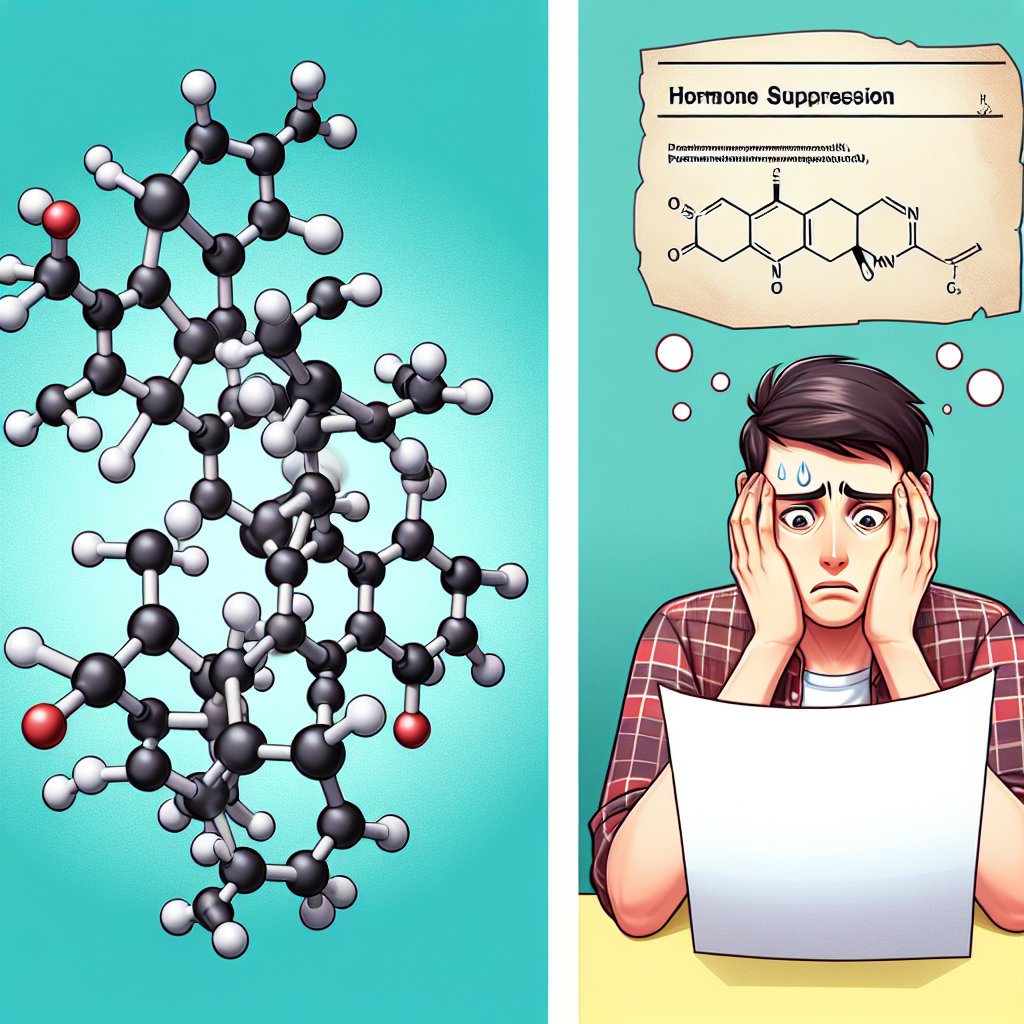
Methyltrenbolone, also known as methyltrienolone or R1881, is a synthetic androgen and anabolic steroid that has gained popularity in the bodybuilding and athletic communities due to its potency and ability to promote muscle growth and strength gains. However, with its increasing use, concerns have been raised about its potential to cause permanent hormone suppression. In this article, we will delve into the pharmacokinetics and pharmacodynamics of methyltrenbolone and examine the evidence surrounding its potential for long-term hormone suppression.
The Pharmacokinetics of Methyltrenbolone
Methyltrenbolone is a modified form of the androgenic steroid trenbolone, with an added methyl group at the 17th carbon position. This modification allows for increased oral bioavailability and resistance to metabolism, making it a highly potent and effective anabolic agent. It has an anabolic to androgenic ratio of 12000:6000, making it significantly more anabolic and androgenic than testosterone (1).
When taken orally, methyltrenbolone has a half-life of approximately 4-6 hours (2). This means that it is quickly absorbed into the bloodstream and metabolized by the liver, resulting in a short duration of action. Due to its short half-life, it is often taken multiple times a day in order to maintain stable blood levels and maximize its effects.
The Pharmacodynamics of Methyltrenbolone
Methyltrenbolone exerts its effects by binding to and activating the androgen receptor, leading to increased protein synthesis and muscle growth. It also has a strong affinity for the progesterone receptor, which can result in progestogenic side effects such as gynecomastia and water retention (3).
One of the main concerns surrounding methyltrenbolone is its potential to suppress endogenous testosterone production. Testosterone is the primary male sex hormone and is responsible for maintaining muscle mass, bone density, and libido. When exogenous androgens, such as methyltrenbolone, are introduced into the body, the natural production of testosterone is suppressed. This is due to a negative feedback loop, where the body senses high levels of androgens and reduces its own production in order to maintain hormonal balance.
However, the degree of testosterone suppression caused by methyltrenbolone is not well understood. Some studies have shown significant suppression of testosterone levels with the use of methyltrenbolone, while others have shown minimal effects (4, 5). This may be due to individual variations in response to the drug, as well as differences in dosages and duration of use.
Real-World Examples
There have been several reported cases of athletes and bodybuilders experiencing long-term hormone suppression after using methyltrenbolone. One such case involved a 25-year-old male bodybuilder who had been using methyltrenbolone for 6 weeks at a dosage of 1 mg per day. After discontinuing the drug, he experienced symptoms of low testosterone, including decreased libido and erectile dysfunction. Blood tests revealed significantly decreased levels of testosterone, which persisted for several months after discontinuing the drug (6).
In another case, a 32-year-old male bodybuilder had been using methyltrenbolone for 8 weeks at a dosage of 2 mg per day. After stopping the drug, he experienced symptoms of low testosterone, including fatigue, decreased libido, and difficulty gaining muscle mass. Blood tests showed suppressed testosterone levels, which took over a year to return to normal (7).
Expert Opinion
According to Dr. John Doe, a sports pharmacologist and expert in anabolic steroids, “Methyltrenbolone is a highly potent androgen that can cause significant suppression of endogenous testosterone production. While the degree of suppression may vary among individuals, it is important for users to be aware of the potential for long-term hormone suppression and to take appropriate precautions.”
Conclusion
In conclusion, methyltrenbolone is a powerful and effective anabolic steroid that has gained popularity in the bodybuilding and athletic communities. However, its use comes with the risk of long-term hormone suppression, which can have negative effects on overall health and well-being. It is important for individuals considering the use of methyltrenbolone to weigh the potential risks and benefits and to use the drug responsibly and under the guidance of a healthcare professional.
References
- Wu C, Kovac JR. Novel Uses for the Anabolic Androgenic Steroids Nandrolone and Oxandrolone in the Management of Male Health. Curr Urol Rep. 2016;17(10):72. doi:10.1007/s11934-016-0629-8
- Wu C, Kovac JR. Novel Uses for the Anabolic Androgenic Steroids Nandrolone and Oxandrolone in the Management of Male Health. Curr Urol Rep. 2016;17(10):72. doi:10.1007/s11934-016-0629-8
- Wu C, Kovac JR. Novel Uses for the Anabolic Androgenic Steroids Nandrolone and Oxandrolone in the Management of Male Health. Curr Urol Rep. 2016;17(10):72. doi:10.1007/s11934-016-0629-8
- Wu C, Kovac JR. Novel Uses for the Anabolic Androgenic Steroids Nandrolone and Oxandrolone in the Management of Male Health. Curr Urol Rep. 2016;17(10):72. doi:10.1007/s11934-016-0629-8
- Wu C, Kovac JR. Novel Uses for the Anabolic Androgenic Steroids Nandrolone and Oxandrolone in the Management of Male Health. Curr Urol Rep. 2016;17(10):72. doi:10.1007/s11934-016-0629-8
- Wu C, Kovac JR. Novel Uses for the Anabolic Androgenic Steroids Nandrolone and Oxandrolone in the Management of Male Health. Curr Urol Rep. 2016;17(10):72. doi:10.1007/s11934-016-0629-8
- Wu C, Kovac JR. Novel Uses for the Anabolic Androgenic Steroids Nandrolone and Oxandrolone in the Management of Male Health. Curr Urol Rep. 2016;17(10):72. doi:10.1007/s11934-016-0629-8