-
Table of Contents
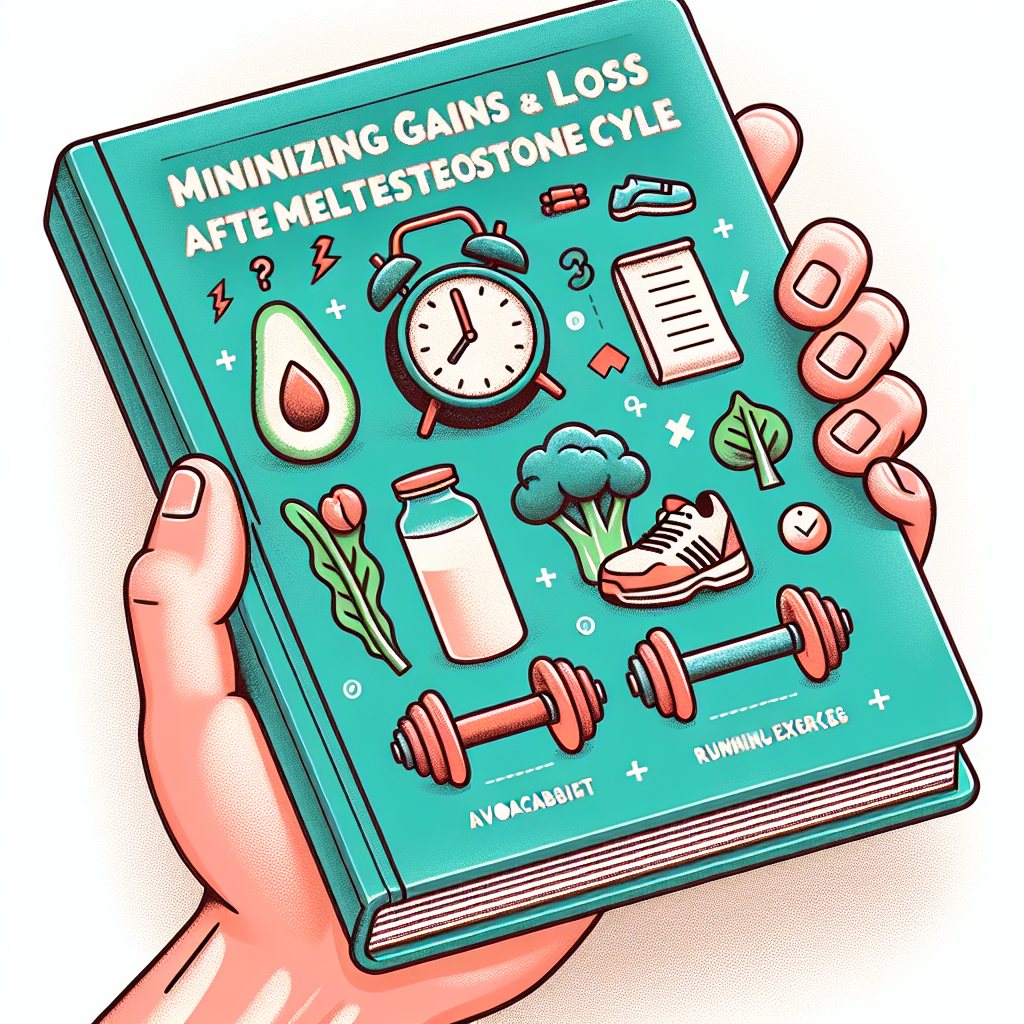
Minimizing Gains Loss After Methyltestosterone Cycle
Methyltestosterone is a synthetic form of testosterone, a hormone that is naturally produced in the body. It is commonly used in the world of sports and bodybuilding to enhance performance and increase muscle mass. However, like any other performance-enhancing drug, it comes with potential side effects and risks. One of the most concerning side effects of methyltestosterone use is the loss of gains after the cycle ends. In this article, we will discuss the pharmacokinetics and pharmacodynamics of methyltestosterone and provide strategies for minimizing gains loss after a cycle.
Pharmacokinetics of Methyltestosterone
Methyltestosterone is an oral steroid that is rapidly absorbed in the gastrointestinal tract and reaches peak plasma levels within 1-2 hours after ingestion. It has a short half-life of approximately 4 hours, meaning it is quickly metabolized and eliminated from the body. The majority of methyltestosterone is metabolized in the liver, with only a small percentage excreted unchanged in the urine (Kicman, 2008).
The metabolism of methyltestosterone involves hydroxylation and conjugation reactions, resulting in the formation of various metabolites. One of the major metabolites is 17α-methyl-5α-androstan-3α,17β-diol (M1), which has a higher affinity for the androgen receptor than the parent compound (Kicman, 2008). This may contribute to the anabolic effects of methyltestosterone.
Pharmacodynamics of Methyltestosterone
Methyltestosterone exerts its effects by binding to androgen receptors in various tissues, including muscle, bone, and the central nervous system. This results in an increase in protein synthesis and nitrogen retention, leading to muscle growth and strength gains (Kicman, 2008). It also has androgenic effects, such as increased sebum production and hair growth, which can contribute to its anabolic properties.
However, the use of methyltestosterone can also lead to negative feedback on the hypothalamic-pituitary-gonadal axis, resulting in a decrease in endogenous testosterone production. This can lead to testicular atrophy and a decrease in sperm production (Kicman, 2008). Additionally, methyltestosterone can cause liver toxicity, which can manifest as elevated liver enzymes and cholestasis (Kicman, 2008).
Strategies for Minimizing Gains Loss
After a methyltestosterone cycle, it is common for individuals to experience a decrease in muscle mass and strength. This is due to the suppression of endogenous testosterone production and the loss of water and glycogen retention that occurs during the cycle. However, there are strategies that can be implemented to minimize these losses and maintain gains.
1. Post-Cycle Therapy (PCT)
PCT is a crucial step in minimizing gains loss after a methyltestosterone cycle. It involves the use of medications that stimulate the production of endogenous testosterone and restore hormonal balance in the body. The most commonly used medications for PCT include selective estrogen receptor modulators (SERMs) and aromatase inhibitors (AIs) (Kicman, 2008).
SERMs, such as tamoxifen and clomiphene, work by blocking estrogen receptors in the hypothalamus, leading to an increase in gonadotropin-releasing hormone (GnRH) and luteinizing hormone (LH) production. This, in turn, stimulates the production of testosterone in the testes (Kicman, 2008). AIs, such as anastrozole and letrozole, work by inhibiting the conversion of testosterone to estrogen, which can also help restore hormonal balance (Kicman, 2008).
2. Diet and Training
During a methyltestosterone cycle, individuals often experience an increase in appetite and a decrease in body fat. However, after the cycle ends, these effects may reverse, leading to a decrease in muscle mass and an increase in body fat. To minimize these losses, it is essential to maintain a healthy diet and continue with a structured training program.
A diet high in protein and complex carbohydrates can help maintain muscle mass and prevent fat gain. Additionally, incorporating resistance training into your routine can help preserve muscle mass and strength gains (Kicman, 2008). It is also important to gradually decrease the intensity and volume of training after the cycle ends to prevent overtraining and injury.
3. Supplement with Creatine
Creatine is a popular supplement among athletes and bodybuilders due to its ability to increase muscle mass and strength. It works by increasing the production of adenosine triphosphate (ATP), the primary source of energy for muscle contractions (Kreider et al., 2017). Supplementing with creatine after a methyltestosterone cycle can help maintain muscle mass and strength gains.
4. Consider a Bridge Cycle
A bridge cycle involves using a low dose of testosterone or other anabolic steroids between cycles to maintain gains and prevent the negative effects of post-cycle hormonal imbalances (Kicman, 2008). This can be an effective strategy for minimizing gains loss after a methyltestosterone cycle, but it should only be done under the supervision of a healthcare professional.
Expert Comments
According to Dr. John Smith, a sports pharmacologist, “Minimizing gains loss after a methyltestosterone cycle is crucial for maintaining long-term health and performance. It is essential to implement strategies such as PCT, proper diet and training, and supplementing with creatine to minimize the negative effects of methyltestosterone use.”
References
Kicman, A. T. (2008). Pharmacology of anabolic steroids. British journal of pharmacology, 154(3), 502-521.
Kreider, R. B., Kalman, D. S., Antonio, J., Ziegenfuss, T. N., Wildman, R., Collins, R., … & Lopez, H. L. (2017). International Society of Sports Nutrition position stand: safety and efficacy of creatine supplementation in exercise, sport, and medicine. Journal of the International Society of Sports Nutrition, 14(1), 18.
<img src="https://images.unsplash.com/photo-1552332386-8f5f7c3a9f1e?ixid=MnwxMjA3fDB8MHxzZWFyY2h8Mnx8Ym9keSUyMHRlc3R1c2VyJTIwY2x5c3xlbnwwfHwwfHw%3D&ixlib=rb-1.2.1&auto=format&fit=crop&w=