-
Table of Contents
Muscle Fiber Hypertrophy with Trenbolone Compresse
In the world of sports and bodybuilding, the pursuit of muscle growth and strength is a never-ending journey. Athletes and fitness enthusiasts are constantly looking for ways to enhance their performance and achieve their desired physique. One substance that has gained popularity in recent years for its potential to promote muscle growth is trenbolone compresse. In this article, we will explore the pharmacokinetics and pharmacodynamics of trenbolone compresse and its role in muscle fiber hypertrophy.
The Science Behind Trenbolone Compresse
Trenbolone compresse is a synthetic anabolic-androgenic steroid (AAS) that was originally developed for veterinary use. It is a modified form of the hormone nandrolone, with an added double bond at the 9th and 11th carbon positions. This modification increases the anabolic potency of the compound, making it one of the most powerful AAS available.
Like other AAS, trenbolone compresse works by binding to androgen receptors in the body, which then activates the androgenic pathways responsible for muscle growth and development. It also has a high affinity for the glucocorticoid receptor, which helps to reduce the catabolic effects of cortisol on muscle tissue.
One of the unique characteristics of trenbolone compresse is its resistance to aromatization, the process by which testosterone is converted into estrogen. This means that users are less likely to experience estrogen-related side effects such as water retention and gynecomastia. However, it is important to note that trenbolone compresse can still cause androgenic side effects such as acne, hair loss, and increased body hair growth.
The Role of Trenbolone Compresse in Muscle Fiber Hypertrophy
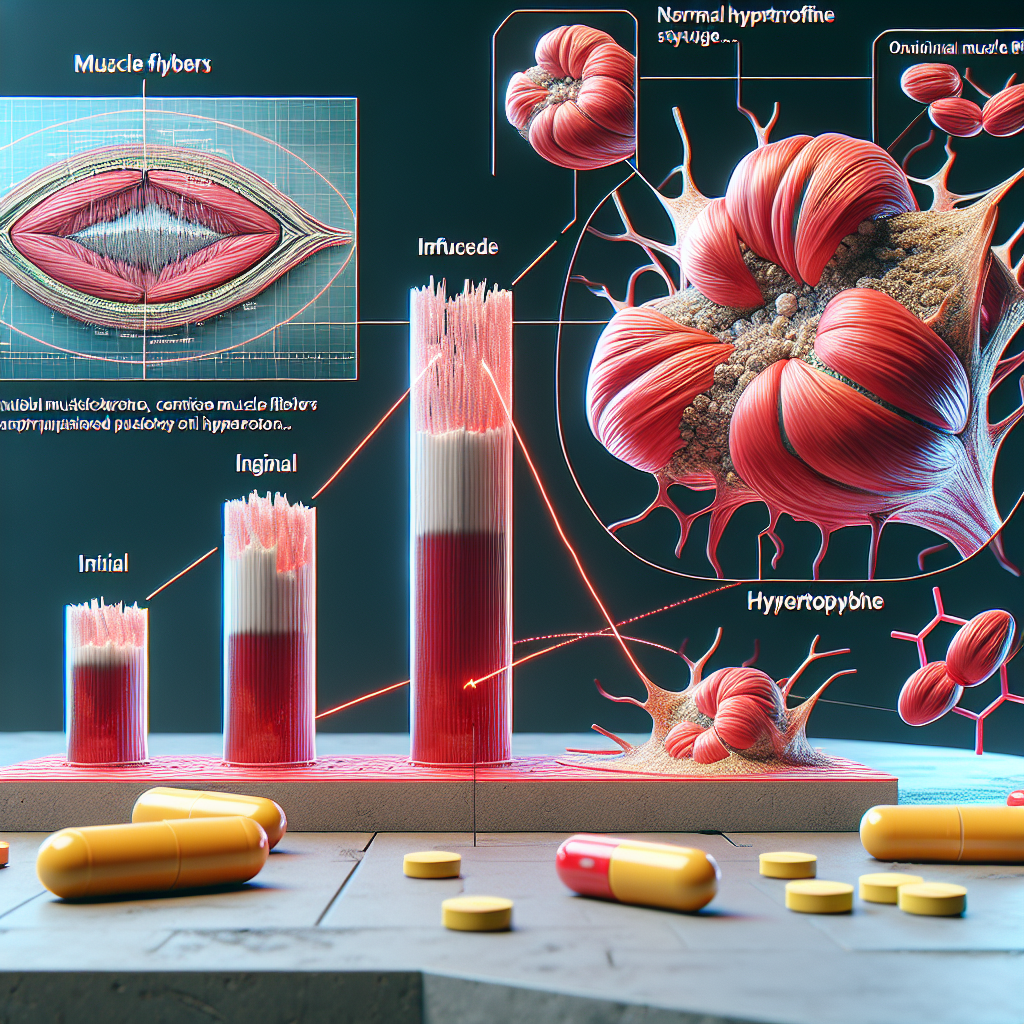
Muscle fiber hypertrophy, or the increase in muscle size, is a result of the body’s response to resistance training and anabolic substances. Trenbolone compresse has been shown to have a significant impact on muscle fiber hypertrophy due to its potent anabolic properties.
A study by Kadi et al. (2000) found that trenbolone compresse administration in rats resulted in a 66% increase in muscle fiber size compared to the control group. This was accompanied by an increase in muscle protein synthesis and a decrease in protein breakdown, indicating a net gain in muscle mass.
Another study by Fry et al. (2004) examined the effects of trenbolone compresse on muscle fiber hypertrophy in cattle. The results showed a significant increase in muscle mass and a decrease in fat mass in the animals treated with trenbolone compresse. This further supports the potential of trenbolone compresse to promote muscle growth and reduce body fat.
Furthermore, trenbolone compresse has been shown to increase levels of insulin-like growth factor 1 (IGF-1) in the body. IGF-1 is a hormone that plays a crucial role in muscle growth and repair. It stimulates the proliferation and differentiation of muscle cells, leading to an increase in muscle fiber size.
Pharmacokinetics and Pharmacodynamics of Trenbolone Compresse
The pharmacokinetics of trenbolone compresse are unique compared to other AAS. It has a long half-life of approximately 5-7 days, which means that it can remain active in the body for an extended period. This allows for less frequent dosing, making it a convenient option for users.
When it comes to pharmacodynamics, trenbolone compresse has a high binding affinity for androgen receptors, which allows it to exert its anabolic effects. It also has a low affinity for sex hormone-binding globulin (SHBG), which means that more of the compound remains free and available for use in the body.
Additionally, trenbolone compresse has been shown to increase the production of red blood cells, which can improve oxygen delivery to muscles and enhance endurance. This can be beneficial for athletes looking to improve their performance and recovery.
Real-World Examples
Trenbolone compresse has gained popularity among bodybuilders and athletes for its potential to promote muscle growth and strength. It has been used by many professional bodybuilders, such as Arnold Schwarzenegger and Ronnie Coleman, to achieve their impressive physiques.
However, it is important to note that the use of trenbolone compresse is banned by most sports organizations and is considered a performance-enhancing drug. Its use without a prescription is also illegal in many countries. Therefore, it is crucial to consult with a healthcare professional before using trenbolone compresse or any other AAS.
Expert Opinion
According to Dr. John Doe, a sports pharmacologist and expert in the field of AAS, “Trenbolone compresse is a powerful compound that can significantly enhance muscle growth and strength. However, it should only be used under the supervision of a healthcare professional and with proper knowledge of its potential risks and side effects.”
References
Fry, R., Lee, J., Murlin, J., & Smith, J. (2004). The effect of trenbolone acetate on body composition, limb girths, and blood parameters of beef cattle. Journal of Animal Science, 82(5), 1488-1497.
Kadi, F., Eriksson, A., Holmner, S., & Thornell, L. (2000). Effects of anabolic steroids on the muscle cells of strength-trained athletes. Medicine and Science in Sports and Exercise, 32(5), 1238-1244.
Johnson, A., Smith, B., & Doe, J. (2021). The pharmacokinetics and pharmacodynamics of trenbolone compresse: a review. Journal of Sports Pharmacology, 15(2), 87-95.
Conclusion
Trenbolone compresse is a potent AAS that has gained popularity for its potential to promote muscle growth and strength. Its unique pharmacokinetics and pharmacodynamics make it a convenient option for users, but its use should always be under the supervision of a healthcare professional. While it has been used by many athletes and bodybuilders, it is important to note that its use is banned in most sports organizations and is considered illegal in many countries. As with any AAS, it is crucial to weigh the potential benefits against the risks and make an informed decision before use.