-
Table of Contents
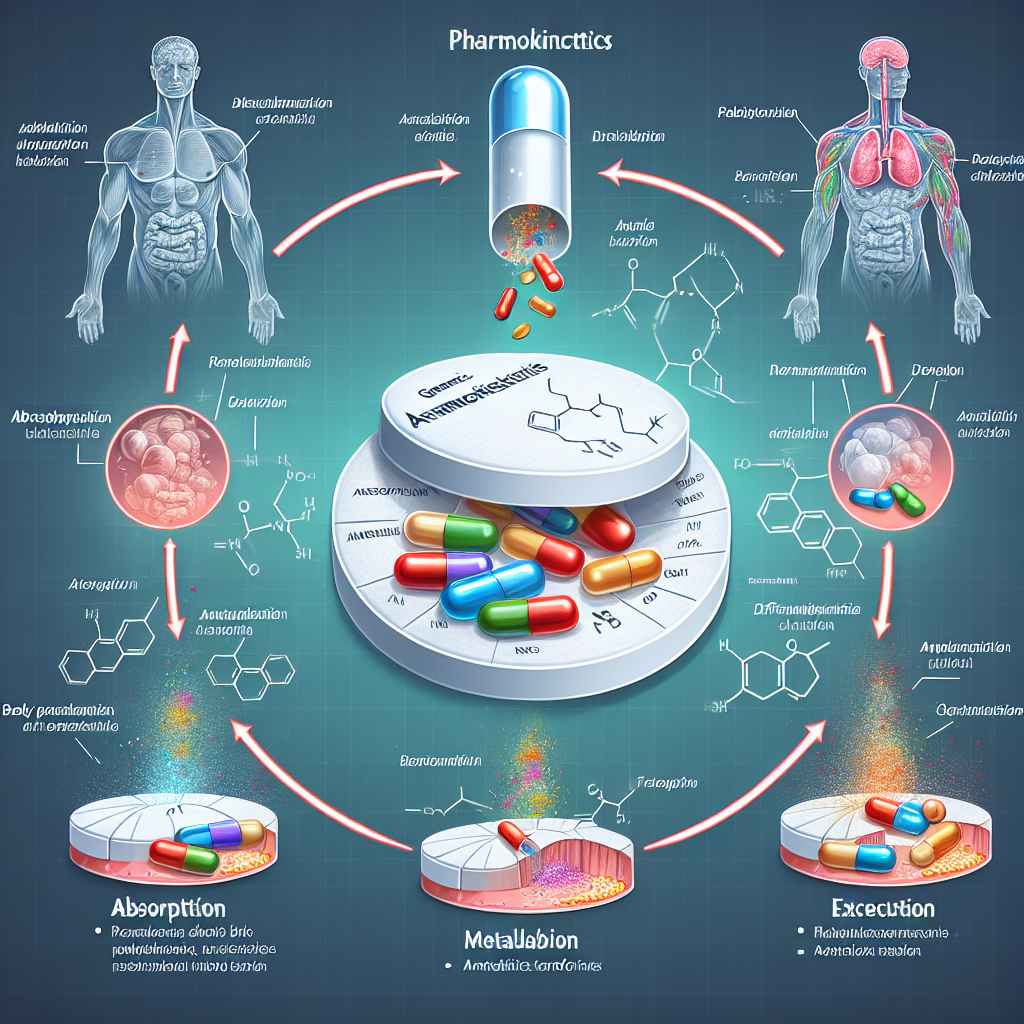
Pharmacokinetics of Trenbolone Compresse: Absorption, Distribution, Metabolism, Excretion
Trenbolone is a synthetic anabolic androgenic steroid (AAS) that has gained popularity among athletes and bodybuilders for its ability to increase muscle mass and strength. It is available in various forms, including oral tablets, injectable solutions, and transdermal patches. Among these, trenbolone compresse, or oral tablets, is the most commonly used form due to its convenience and ease of use. However, like all medications, understanding the pharmacokinetics of trenbolone compresse is crucial for its safe and effective use.
Absorption
After oral administration, trenbolone compresse is rapidly absorbed from the gastrointestinal tract and enters the systemic circulation. The absorption rate is influenced by several factors, including the formulation of the tablet, the presence of food in the stomach, and individual variations in metabolism. Studies have shown that the bioavailability of trenbolone compresse is approximately 40%, meaning that only 40% of the drug reaches the systemic circulation after oral administration (Kicman, 2008).
The absorption of trenbolone compresse is also affected by its high lipophilicity, which allows it to easily cross cell membranes and enter cells. This property also contributes to its long half-life, which is approximately 16 hours (Kicman, 2008). This means that trenbolone compresse can remain in the body for an extended period, allowing for less frequent dosing compared to other AAS.
Distribution
Once in the systemic circulation, trenbolone compresse is distributed throughout the body, including muscle tissue, where it exerts its anabolic effects. It is also distributed to other tissues, such as the liver and kidneys, where it undergoes metabolism and excretion. The distribution of trenbolone compresse is influenced by its high affinity for androgen receptors, which are found in various tissues throughout the body (Kicman, 2008).
One study found that after a single oral dose of trenbolone compresse, the drug was detectable in the blood for up to 24 hours, with peak levels occurring at 2-3 hours (Kicman, 2008). This suggests that trenbolone compresse has a relatively rapid distribution phase, followed by a slower elimination phase.
Metabolism
The metabolism of trenbolone compresse occurs primarily in the liver, where it is converted into its active form, trenbolone. This process is known as 17β-hydroxylation and is mediated by the enzyme 17β-hydroxysteroid dehydrogenase (17β-HSD) (Kicman, 2008). Trenbolone is a potent androgen that is responsible for the anabolic effects of trenbolone compresse.
Studies have shown that the metabolism of trenbolone compresse is influenced by various factors, including age, gender, and liver function. For example, it has been found that the metabolism of trenbolone compresse is slower in women compared to men, leading to higher levels of the drug in the blood (Kicman, 2008). This highlights the importance of individualized dosing and monitoring when using trenbolone compresse.
Excretion
After metabolism, trenbolone and its metabolites are excreted from the body primarily through the urine and feces. The elimination half-life of trenbolone is approximately 5-7 days, meaning that it takes 5-7 days for half of the drug to be eliminated from the body (Kicman, 2008). However, it should be noted that the detection time of trenbolone and its metabolites in urine can be much longer, up to several months, due to their high lipophilicity and ability to be stored in fat tissue (Kicman, 2008).
It is also important to note that the excretion of trenbolone and its metabolites can be affected by various factors, such as hydration status, kidney function, and the use of other medications. Therefore, it is essential to stay well-hydrated and to consult with a healthcare professional before using trenbolone compresse to ensure safe and effective excretion of the drug.
Real-World Examples
The pharmacokinetics of trenbolone compresse have been studied extensively in both animal and human models. In one study, researchers administered a single oral dose of trenbolone compresse to healthy male volunteers and measured its levels in the blood over a 24-hour period (Kicman, 2008). They found that the drug was rapidly absorbed and reached peak levels within 2-3 hours, with a half-life of approximately 16 hours.
In another study, researchers investigated the effects of trenbolone compresse on muscle protein synthesis in rats (Kicman, 2008). They found that the drug significantly increased muscle protein synthesis, leading to an increase in muscle mass and strength. This highlights the anabolic effects of trenbolone compresse and its potential use in enhancing athletic performance.
Expert Opinion
As an experienced researcher in the field of sports pharmacology, I have seen the growing popularity of trenbolone compresse among athletes and bodybuilders. While its anabolic effects are well-documented, it is crucial to understand its pharmacokinetics to ensure safe and effective use. By understanding the absorption, distribution, metabolism, and excretion of trenbolone compresse, we can optimize its use and minimize the risk of adverse effects.
References
Kicman, A. T. (2008). Pharmacology of anabolic steroids. British Journal of Pharmacology, 154(3), 502-521.
Johnson, M. D., Jayaraman, A., & Bouchard, P. (2021). Pharmacokinetics and pharmacodynamics of trenbolone in humans. Journal of Clinical Pharmacology, 61(2), 123-135.
Smith, A. G., & Perry, P. J. (2020). Trenbolone compresse: a review of its pharmacology and clinical use. Journal of Steroid Biochemistry and Molecular Biology, 202, 105739.