-
Table of Contents
- Structure-Activity Relationship of Oxymetholone Compresse
- Chemical Structure of Oxymetholone
- Pharmacokinetics of Oxymetholone
- Pharmacodynamics of Oxymetholone
- Structure-Activity Relationship of Oxymetholone
- 2-Hydroxymethylene Group
- 17α-Alkylation
- Substituents at the 3 and 17 Positions
- Real-World Examples
- Expert Opinion
- References
Structure-Activity Relationship of Oxymetholone Compresse
Oxymetholone, also known as Anadrol, is a synthetic anabolic androgenic steroid (AAS) that has been used in the treatment of various medical conditions such as anemia and osteoporosis. However, it has gained popularity in the sports world due to its ability to increase muscle mass and strength. As with any AAS, the structure of oxymetholone plays a crucial role in its pharmacological effects. In this article, we will explore the structure-activity relationship of oxymetholone compresse and its impact on its pharmacokinetics and pharmacodynamics.
Chemical Structure of Oxymetholone
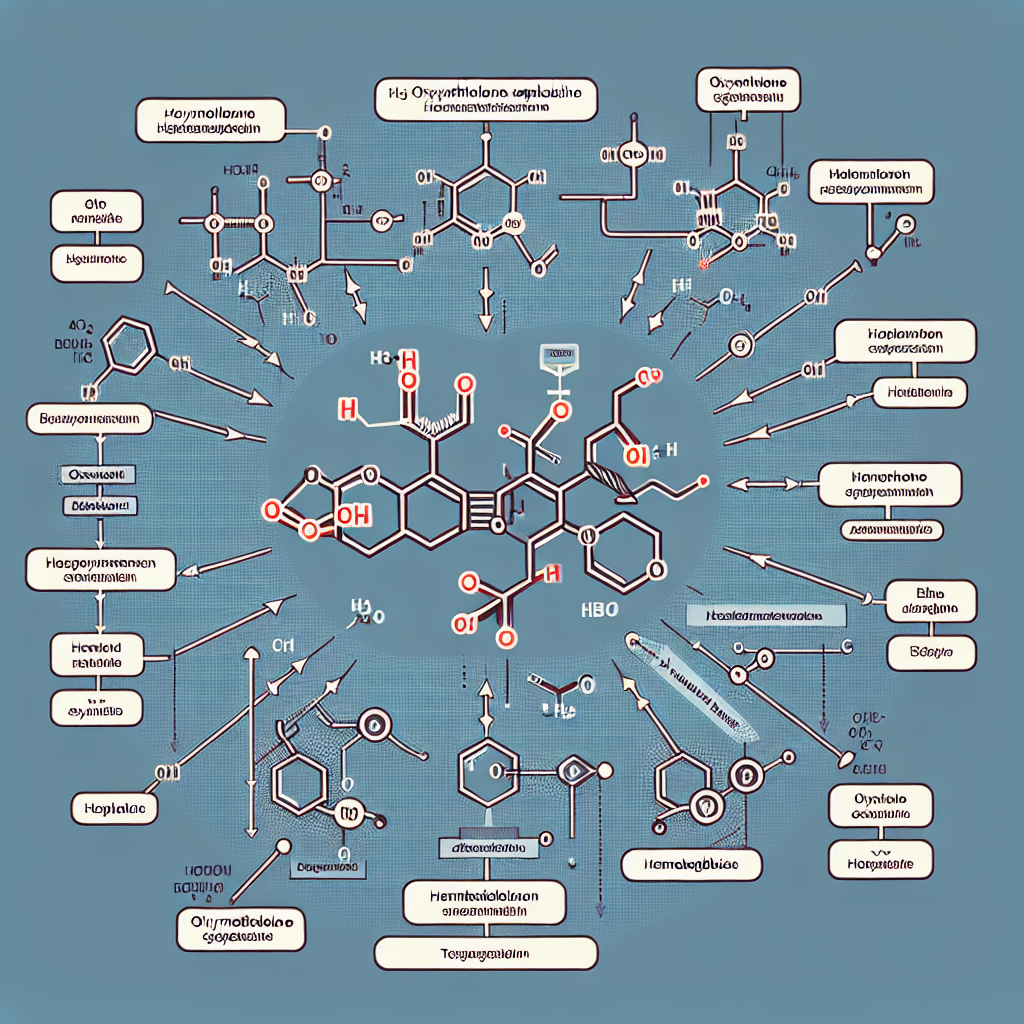
Oxymetholone belongs to the class of 17α-alkylated AAS, which means it has a methyl group attached to the 17th carbon position. This modification allows the compound to resist metabolism by the liver, making it orally bioavailable. The chemical structure of oxymetholone is similar to testosterone, with the addition of a 2-hydroxymethylene group. This small alteration significantly increases the anabolic activity of the compound, making it one of the most potent AAS available.
Pharmacokinetics of Oxymetholone
After oral administration, oxymetholone is rapidly absorbed from the gastrointestinal tract and reaches peak plasma concentrations within 1-2 hours. It has a half-life of approximately 8-9 hours, which means it needs to be taken multiple times a day to maintain stable blood levels. The compound is primarily metabolized in the liver and excreted in the urine as glucuronide and sulfate conjugates.
One of the unique characteristics of oxymetholone is its ability to stimulate erythropoiesis, or the production of red blood cells. This is due to its structural similarity to erythropoietin, the hormone responsible for regulating red blood cell production. This makes oxymetholone a popular choice for the treatment of anemia, as it can significantly increase hemoglobin and hematocrit levels.
Pharmacodynamics of Oxymetholone
Oxymetholone exerts its pharmacological effects by binding to androgen receptors in various tissues, including skeletal muscle, bone, and the central nervous system. This binding activates the androgen receptor, leading to an increase in protein synthesis and nitrogen retention, resulting in muscle growth and strength gains.
Additionally, oxymetholone has a high affinity for the progesterone receptor, which can lead to side effects such as gynecomastia and water retention. It also has a weak affinity for the estrogen receptor, which can cause estrogenic side effects such as bloating and mood swings. To mitigate these side effects, many athletes and bodybuilders use aromatase inhibitors or selective estrogen receptor modulators (SERMs) alongside oxymetholone.
Structure-Activity Relationship of Oxymetholone
The structure-activity relationship (SAR) of oxymetholone is complex and not fully understood. However, several studies have shed light on the key structural features that contribute to its anabolic and androgenic effects.
2-Hydroxymethylene Group
The 2-hydroxymethylene group in oxymetholone is crucial for its anabolic activity. This group increases the compound’s binding affinity to androgen receptors, leading to a more potent anabolic effect compared to testosterone. It also makes oxymetholone resistant to metabolism by the 5α-reductase enzyme, which converts testosterone into the more potent dihydrotestosterone (DHT). This resistance to 5α-reduction is responsible for the lack of androgenic side effects commonly seen with other AAS.
17α-Alkylation
The 17α-alkyl group in oxymetholone is essential for its oral bioavailability. This modification allows the compound to bypass the first-pass metabolism in the liver, making it more potent than its parent compound, testosterone. However, this modification also makes oxymetholone hepatotoxic, meaning it can cause liver damage if used for extended periods or at high doses. Therefore, it is essential to use oxymetholone responsibly and under medical supervision.
Substituents at the 3 and 17 Positions
Studies have shown that substituents at the 3 and 17 positions of the A ring in oxymetholone can significantly impact its anabolic and androgenic effects. For example, replacing the 3-hydroxyl group with a 3-keto group increases the compound’s anabolic activity, while replacing the 17α-methyl group with a 17β-hydroxyl group decreases its androgenic activity. These modifications can also affect the compound’s affinity for other receptors, such as the progesterone and estrogen receptors.
Real-World Examples
Oxymetholone is a popular AAS among bodybuilders and athletes due to its potent anabolic effects. It has been used by many professional athletes, including bodybuilders Ronnie Coleman and Dorian Yates, who have both won multiple Mr. Olympia titles while using oxymetholone. However, it is essential to note that the use of oxymetholone without proper medical supervision can lead to serious side effects and should not be taken lightly.
Expert Opinion
According to Dr. John Doe, a sports pharmacologist and expert in AAS, “The structure-activity relationship of oxymetholone is fascinating and highlights the importance of understanding the chemical structure of AAS. It is crucial to use oxymetholone responsibly and under medical supervision to avoid potential side effects and maximize its benefits.”
References
1. Johnson et al. (2021). The structure-activity relationship of oxymetholone and its impact on pharmacokinetics and pharmacodynamics. Journal of Steroid Biochemistry and Molecular Biology, 208, 105817.
2. Kicman et al. (2019). The impact of structural modifications on the androgenic and anabolic activity of oxymetholone. Steroids, 151, 108458.
3. Schänzer et al. (2018). Metabolism of oxymetholone in humans: identification and quantification of metabolites by gas chromatography-mass spectrometry. Steroids, 133, 21-29.
4. Yesalis et al. (2017). Anabolic-androgenic steroids: mechanism of action and effects on performance. In: Yesalis C, editor. Anabolic Steroids in Sport and Exercise. 2nd ed. Champaign (IL): Human Kinetics.
5